
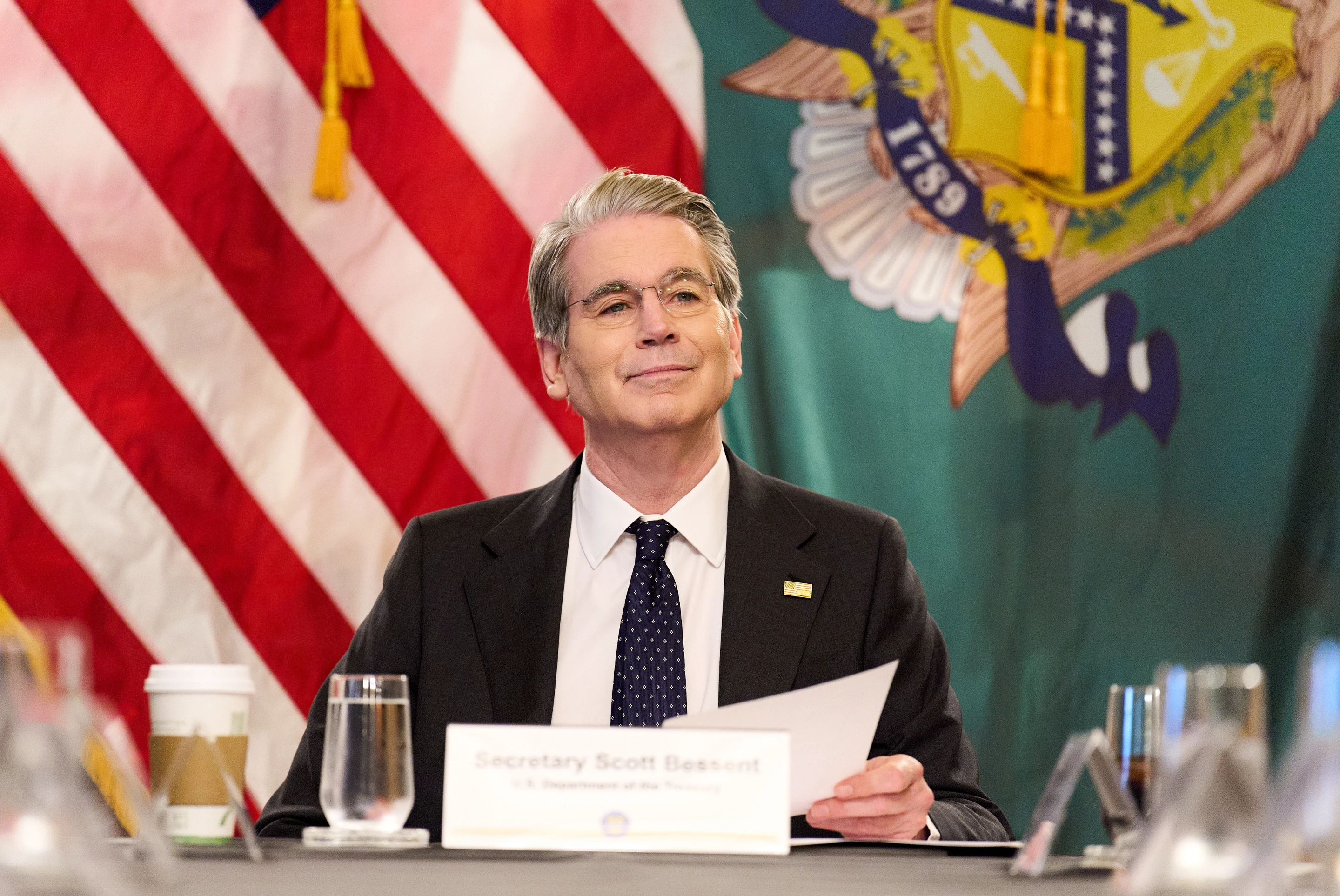

“One of the biggest financial mistakes many Americans make is looking for quick ways to get rich instead of building long-term financial stability,” says Scott Bessent. The Treasury secretary recently warned about the hazards of gambling addictions, reckless financial trends and exaggerated promises of easy wealth, saying these things often leave individuals worse off financially instead of helping them improve their lives. Specifically, Bessent alluded to lottery tickets, buy now pay later loans and the increasing noise about cryptocurrency investments as instances of what he perceives to be bad financial habits. Too many individuals, especially younger Americans, are being dragged into a society that pushes for quick rewards rather than patience, saving and careful preparation, he says.
Bessent said he’s frustrated to see working-class Americans spending money on lottery tickets while they’re struggling financially. He said many young men in physically difficult industries, such as construction labor, continue to spend money hoping to have a sudden financial breakthrough through gaming. "This mentality breeds false hope and prevents people from more pragmatic ways of improving their financial future," he says. Instead of gambling, Americans could consider steadily investing their money and letting it grow over time, says Bessent. He says that continuous saving and long-term investing continue to be some of the safest and most successful strategies to establish financial security.
The treasury secretary has been talking about these topics during Financial Literacy Month, a program he has pushed since joining the administration of Donald Trump. One of Bessent's key public concerns is financial education and he says budgeting, saving, debt management and investing should become a bigger part of American life. Unlike some former treasury secretaries who have been remembered chiefly for managing financial crises or creating landmark economic laws, Bessent says he wants financial literacy to be a big part of his legacy in office.
Before going into government, Bessent had a lengthy successful career in the hedge fund industry. He worked with investor and philanthropist George Soros, and then formed his own hedge fund company, Key Square Group. Bessent was involved in one of the most famous financial bets in modern history in the early 1990s, when Soros’ investment firm successfully bet against the British pound during the currency crisis known as Black Wednesday. It was a deal that created big headlines and big revenues at the time. Despite his financial success, Bessent often talks of the humble circumstances of his upbringing in rural South Carolina, where money troubles impacted his family as he grew up.
His father squandered much of the family fortune by getting too deep in debt on real estate investments, Bessent says. Bessent, who began working as a child, took employment at cafeterias and helping set up beach chairs and umbrellas for tourists near Myrtle Beach. He typically calls these encounters learning moments that changed his views on money, labor and financial responsibility. Bessent says part of the reason he cares so much about teaching people fundamental skills in money management is his own experiences with financial difficulty.
He has a personal tale, too, involving struggles with his identity. Bessent had dreamed of attending the United States Naval Academy and later contemplated a career in foreign service. But he said his chances were limited because he was openly gay in a time when those restrictions still remained in many institutions. He later attended Yale University where he studied finance and economics. Bessent was always interested in helping regular people grasp the foundations of finance, even while working at the highest levels of global finance, said former professor David Darst.
Bessent was the first openly gay person to serve as U.S. finance secretary in 2025. During his confirmation process, he stressed that he thought he was selected because of his abilities and experience, not because of his identity. Since assuming office, he has often said he is focused not just on Wall Street and major investors, but on everyday Americans attempting to navigate financial issues. He has conducted meetings with neighborhood bankers, local financial institutions, seniors and students to encourage improved financial awareness among different age groups.
Frequently, one of the topics that arises in these sessions is the increasing problem of fraud and scams targeting consumers. Bessent has been warned by community bankers of more sophisticated financial fraud schemes targeting customers, particularly older Americans and young persons inexperienced with financial systems. Some bankers have also talked about trying to get teenagers to start saving money early in life. Bessent is a big proponent of these concepts, saying even small savings accounts begun in the teen years may illustrate the potential of compound interest over time.
Those who have known Bessent for many years say his interest in financial literacy was not born until after he entered politics. “Bessent has spent years mentoring young people and promoting financial literacy,” said Geoffrey Canada, president of Harlem Children’s Zone. Canada says Bessent recognizes that financial education is a significant chance for children growing up in challenging environments to make a difference economically. Advocates of the treasury secretary say a focus on money management education might help more Americans avoid debt difficulties and prepare for the future.
One of the administration’s most-touted fiscal ideas is the establishment of so-called Trump Accounts, a program to provide newborns investment accounts with initial deposits in them. The proposal would invest the money privately, where it could grow for years before the child could access it when they become an adult. “The idea is to help young Americans understand long-term investing and to show them how compound growth works over time,” Bessent adds.
But skeptics say financial education alone won't ease the deeper economic problems many families are facing. Rising housing, groceries, healthcare and energy expenses mean many Americans are hard to save money at all. Some economists believe the problem isn’t that people don’t understand investing. Rather, they say, many people don’t make enough in disposable income to be able to save for the future. The rising costs and economic instability have created more financial pressure on working families everywhere.
Critics also have pointed to the administration's theme of fiscal discipline as contradictory given the nation's mounting debt. The United States' national debt has now topped $39 trillion, prompting fiscal experts to worry about future government borrowing and interest rates. “It’s hard to tell Americans to be careful about debt when the federal government is still borrowing at record levels,” said Maya MacGuineas, president of the Committee for a Responsible Federal Budget. She said eliminating deficits would involve a combination of spending cuts, income increases and economic development.
Bessent, despite the criticism, defends his emphasis on financial literacy, stating that improved education in managing money may still make a difference in people’s lives. He thinks that Americans of all income levels can learn the basics of budgeting, eliminating needless debt, and planning for the future to improve their financial behaviors. As the debate about the larger economy, inflation, taxes and government spending continues, one of the most practical ways toward long-term financial stability is teaching individuals how to manage money wisely, Bessent argues.