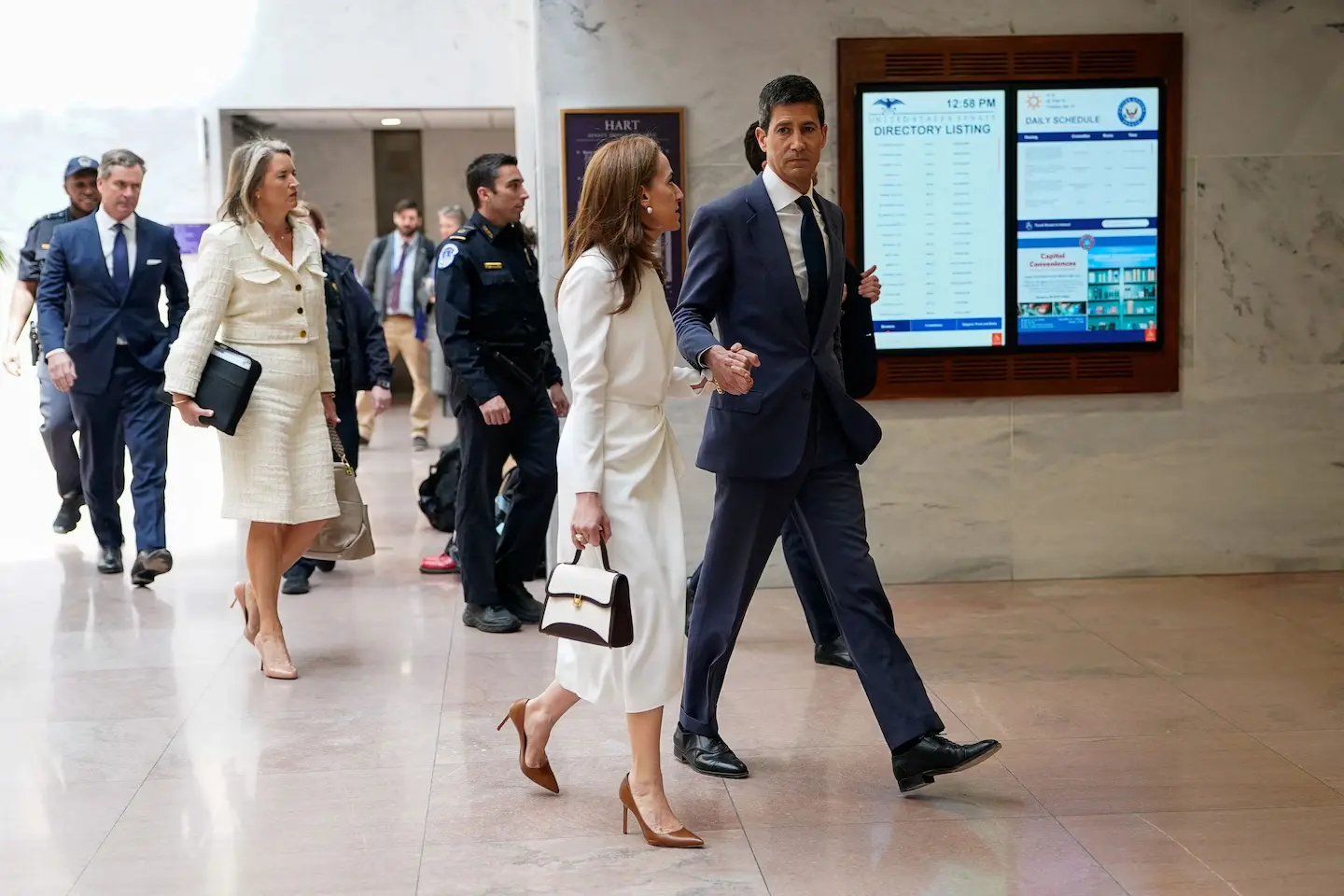

The U.S. Senate confirmed Kevin Warsh as the next chair of the Federal Reserve in a narrow 54-45 vote, giving President Donald Trump a major political victory while setting up a new chapter for the central bank during a period of rising inflation and economic uncertainty. Warsh will replace Jerome Powell as Fed chair, although Powell is expected to remain on the Federal Reserve Board of Governors after his chairmanship officially ends.
Warsh’s confirmation became one of the most politically divisive Federal Reserve appointments in modern history. The Washington Post reported that the near party-line vote reflected how deeply political divisions have now reached into the traditionally independent central bank.
Warsh previously served as a Federal Reserve governor from 2006 to 2011 during the George W. Bush and Barack Obama administrations. He played a major role during the 2008 financial crisis and later became known for his close ties to Wall Street and conservative economic circles.
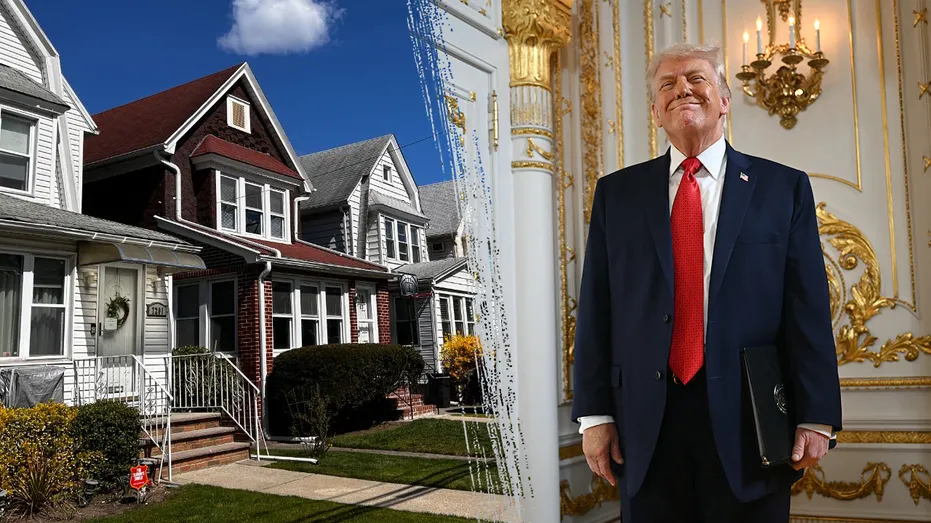
President Trump strongly backed Warsh’s nomination after months of public criticism directed at Jerome Powell and the Fed’s refusal to aggressively cut interest rates. Trump has repeatedly argued that lower rates are needed to offset the economic impact of the Iran war, rising energy prices, and slowing global growth.
However, Warsh’s confirmation comes at a difficult moment for the Federal Reserve. Inflation has climbed sharply in recent months, largely because of higher oil prices and disruptions tied to the Iran conflict. Reuters reported that April consumer inflation reached 3.8%, well above the Fed’s 2% target.
The confirmation therefore places Warsh at the center of one of the most challenging economic environments facing the Fed in years.
Trump Allies Warn Rate Cuts May Not Happen Soon
Although Trump has consistently pushed for aggressive interest rate cuts, several allies and economists warned that Warsh may not deliver the easier monetary policy many in the administration expected. Reuters reported that growing inflation and strong labor market data are making near-term rate cuts increasingly unlikely.
The Washington Post noted that some Trump allies are already privately warning the White House that Warsh could disappoint the administration if inflation continues rising. Markets now increasingly expect the Fed to keep rates unchanged through much of 2026, with some analysts even discussing the possibility of future rate hikes instead of cuts.
Warsh has sent mixed signals about monetary policy in recent years. While he criticized the Federal Reserve for being too slow to cut rates in 2025, he was historically viewed as a more hawkish policymaker during his earlier time at the Fed.
Reuters reported that one of the first major tests of Warsh’s leadership will come at the June Federal Reserve meeting, where updated interest-rate projections could reveal whether he favors easing policy or aligns more closely with traditional inflation-fighting approaches.
Financial markets remain highly sensitive to Warsh’s future decisions because the inflation outlook has deteriorated rapidly since the Iran war began earlier this year. Rising energy prices, supply-chain disruptions, and continued labor-market strength have complicated the case for lower rates.
NPR reported that even some Republicans who support Warsh politically are uncertain how closely he will follow Trump’s economic demands once he officially takes control of the Federal Reserve.
The growing uncertainty has fueled concerns that Trump could eventually experience “buyer’s remorse” if Warsh resists pressure to lower rates aggressively.
Inflation and Iran War Create Difficult Economic Backdrop
Warsh assumes leadership of the Federal Reserve during one of the most complicated economic periods since the COVID-19 recovery. Reuters reported that inflation pressures have intensified because of the Iran war, which has disrupted global energy markets and pushed oil prices above $100 per barrel.
Consumer inflation rose to 3.8% in April, while producer prices also increased sharply. Analysts now expect inflation to climb above 4% later this year if energy markets remain unstable and conflict in the Middle East continues.
At the same time, the U.S. labor market remains relatively resilient. Job growth continued to beat expectations in April and unemployment held steady at 4.3%, Reuters reported. Strong employment data has reduced pressure on the Fed to cut rates soon.
With inflation so high and employment steady, the central bank is walking a tightrope. Economists warned that cutting rates too soon could exacerbate inflation, while keeping rates high too long could slow economic growth and drive up borrowing costs throughout the economy.
The Iran conflict has become a major factor in Federal Reserve policy deliberations. Rising fuel prices have been a major driver of inflation increases while broader geopolitical uncertainty has impacted global markets, supply chains and investor confidence.
Reuters reported that markets now assign a high probability to the Federal Reserve leaving rates unchanged throughout most of this year. Some brokerages have pushed expected rate cuts into 2027 because inflation conditions remain far worse than previously anticipated.
Warsh therefore inherits an economy where political pressure for lower rates collides directly with economic conditions that may require the opposite approach.
Questions About Federal Reserve Independence Intensify
Warsh’s appointment has also renewed debate about the independence of the Federal Reserve and the growing political pressure surrounding U.S. monetary policy. President Trump has repeatedly criticized Jerome Powell publicly and demanded lower interest rates throughout his presidency.
During his confirmation process, Warsh attempted to reassure lawmakers that he would remain independent despite Trump’s support. Reuters and CBS reported that Warsh pledged not to take direct orders from the White House regarding monetary policy decisions.
Still, many economists and former officials remain concerned about increasing political pressure on the central bank. Earlier this year, Powell became the subject of a controversial federal investigation tied to renovation spending at Federal Reserve buildings, prompting accusations that the administration was attempting to weaken Fed independence.
Several former Treasury secretaries and ex-Fed chairs publicly defended Powell and warned against political interference in monetary policy. Critics argued that undermining the Fed’s independence could damage financial-market confidence and worsen inflation risks.
Warsh himself has complicated relationships with both Wall Street and conservative economic circles. While he is respected by many investors for his financial-market experience, some analysts believe his close ties to Trump could make it harder for markets to view the Fed as fully independent.
At the same time, supporters argue Warsh’s previous experience during the 2008 financial crisis gives him credibility to manage economic turbulence and geopolitical uncertainty.
The broader debate now centers on whether Warsh will prioritize inflation control, respond to White House political pressure, or attempt to balance both during a period of growing economic instability.


.webp)