
What to know
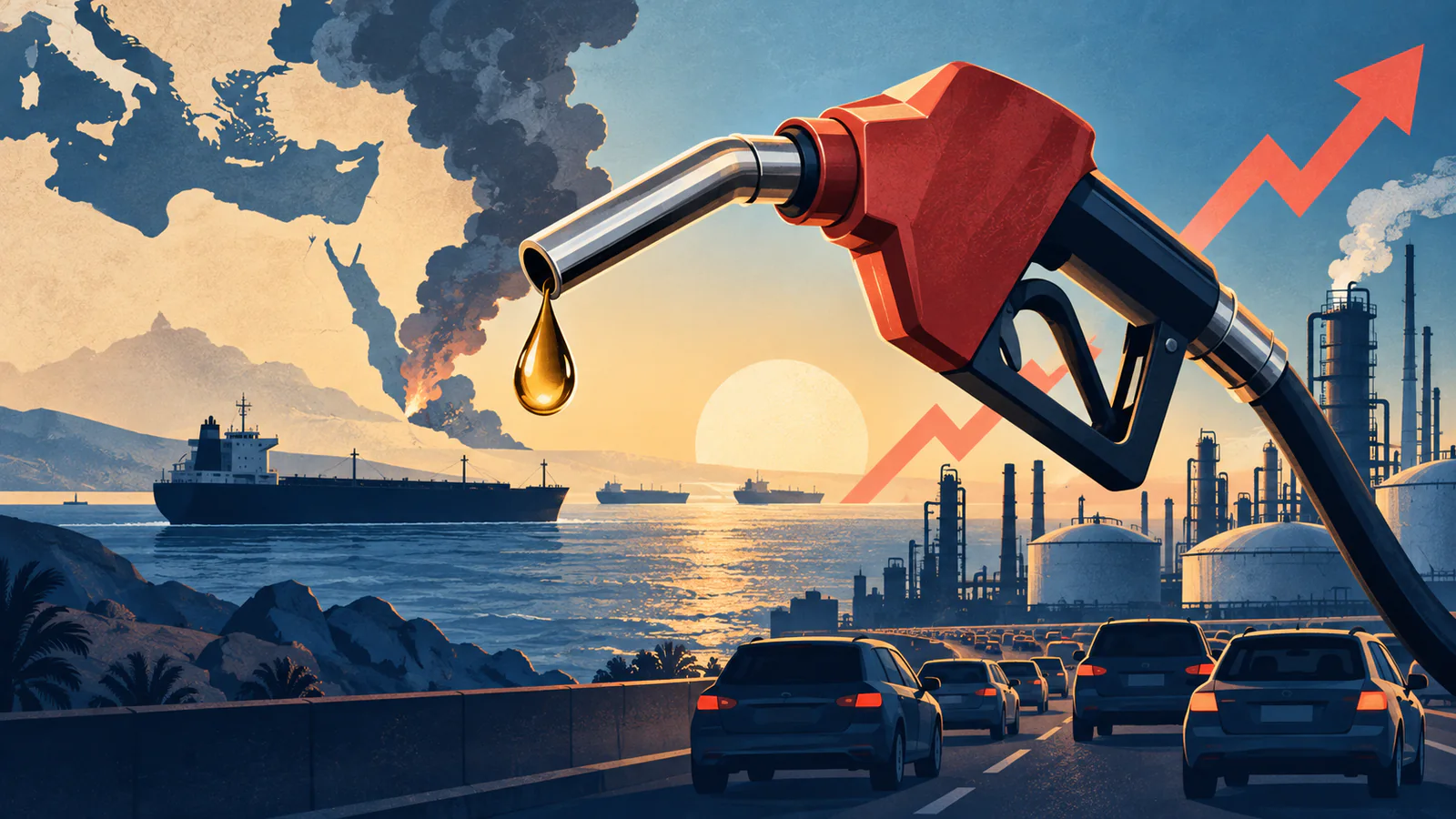
U.S. gasoline prices reached a Labor Day high as conflict risk affected oil markets and unplanned refinery outages tightened fuel supplies in parts of the Midwest and Gulf Coast.
Further reading and standardsWASHINGTON & HOUSTON — U.S. retail gasoline prices surged to unprecedented Labor Day weekend highs across the nation on Monday, September 7, 2026, driven by an acute squeeze on global crude benchmarks following military escalation in the Persian Gulf and concurrent mechanical shutdowns at several of America's largest petroleum refining complexes. The sudden price surge has imposed an unexpected financial levy on more than 40 million holiday road trippers while reigniting fresh inflation concerns across corporate freight networks and wholesale supply chains.
What Happened: A Perfect Storm at the Pump
Fuel prices typically experience modest seasonal upward momentum leading into major summer holidays, but market conditions deteriorated sharply over the past ten days into what petroleum analysts describe as a "twin-shock event."
First, international crude futures jumped over 11% in five trading sessions as hostilities involving Iranian military units and allied maritime forces spread near critical Persian Gulf shipping channels. Second, domestic refining infrastructure — already running near maximum capacity to satisfy peak summer gasoline demand — suffered catastrophic operational setbacks in both the Midwest and the Texas Gulf Coast, draining commercial stockpiles to their lowest levels for early September in seven years.
What Officials and Analysts Are Saying
Energy authorities and market strategists emphasize that the current surge is not a reflection of ordinary seasonal price gouging, but a genuine physical supply disruption colliding with global risk premiums.
Refinery outages can tighten regional fuel supplies even when crude-oil benchmarks move less dramatically. Holiday demand can amplify the effect, but the size and duration of a price increase depend on inventories, pipeline access and how quickly affected plants return to service.
In a briefing early Monday, a spokesperson for the U.S. Department of Energy (DOE) stated: "The Administration is closely monitoring regional fuel supply balances following the unplanned outages in Indiana and Texas. The Department remains in continuous coordination with state energy offices and pipeline operators to ensure fuel distribution networks remain functional."
Conflict risk can raise freight and insurance costs and add a premium to crude prices. The effect at U.S. filling stations is indirect and varies by region because retail prices also reflect refinery operations, inventories, distribution costs and taxes.
Why It Matters: Inflationary Ripples Across the Economy
The immediate toll falls upon household holiday budgets, but the broader macroeconomic ramifications could prove significantly more persistent. Diesel fuel, which climbed to an average of $4.85 nationwide, directly dictates the operating cost structure of Class 8 long-haul trucking, agricultural harvesting, and rail transport.
Transportation economists estimate that sustained diesel prices above $4.75 add approximately 1.5% to 2.2% to wholesale grocery and retail freight surcharges within a 30-day lag. For the Federal Reserve, which has carefully balanced interest rate deliberations against softening consumer price indices, any persistent resurgence in energy-driven headline inflation complicates the trajectory of upcoming policy rate decisions.
What Happens Next: Winter-Blend Relief and Supply Outlook
Motorists can anticipate moderate price relief beginning after September 15, when federal environmental regulations permit refiners and blenders to switch from expensive, low-volatility summer gasoline formulations to winter-blend fuel.
Winter-blend gasoline incorporates butane, a significantly cheaper and more abundant hydrocarbon, which historically trims 15 to 25 cents per gallon off refinery gate production costs. However, energy strategists caution that three pivotal variables will determine whether retail savings materialize:
- Whiting Refinery Restart: bp engineering teams must safely complete electrical testing and restart primary distillation columns without additional safety incidents.
- De-escalation in Hormuz: International naval escorts must reassure commercial shipping carriers to suppress astronomical maritime war-risk surcharges.
- OPEC+ Production Quotas: Member states are scheduled to convene virtually on September 22 to assess whether voluntary export caps should be eased to mitigate global supply tightness.
Further reading
Use these official collections to explore the subject and confirm time-sensitive figures against the dated record.