
What to know
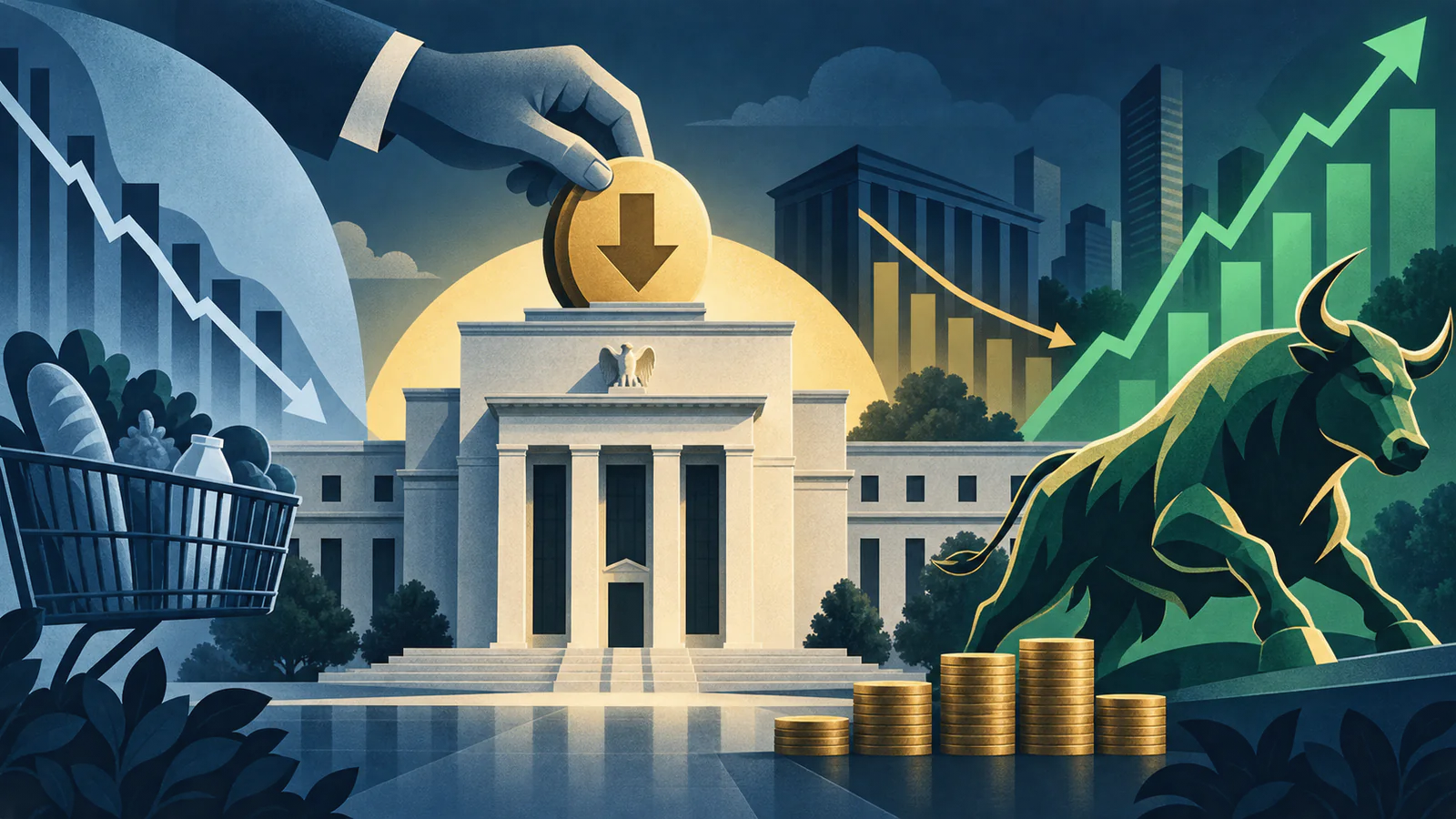
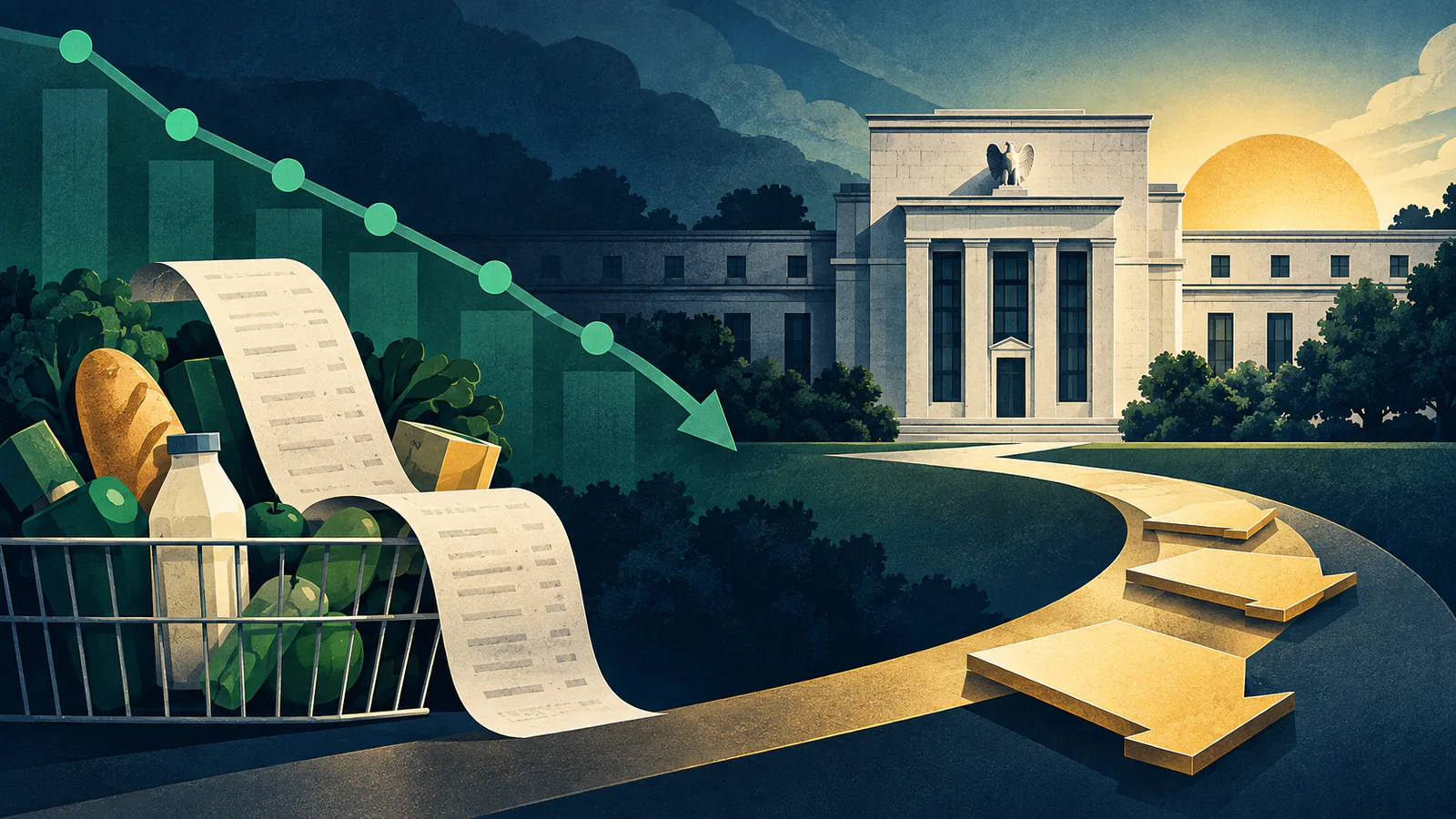
January inflation figures revealed fresh deceleration in core consumer prices to 2.4%, reassuring financial markets that disinflation remains intact and keeping Federal Reserve monetary easing on schedule for mid-2026.
Further reading and standardsWASHINGTON — Fresh economic data released by the Bureau of Labor Statistics shows that U.S. consumer price inflation cooled more than anticipated in January, offering crucial validation to the Federal Reserve that inflationary pressures are resuming their downward trajectory toward the central bank's 2.0% statutory target. The Consumer Price Index (CPI) rose at an annualized pace of 2.4%, down from 2.6% in December, while the closely watched core index decelerated to 2.7%.
What Happened: The Components Behind the January Disinflation
The encouraging inflation print was driven by meaningful relief across key household expense categories that had previously exhibited persistent stickiness:
Shelter inflation—the single largest component of the CPI basket—rose at its slowest monthly pace in over three years, advancing just 0.2% month-over-month. Additionally, used vehicle prices dropped 1.8%, airfares tumbled 2.3%, and wholesale energy prices declined as domestic petroleum refineries operated at elevated capacity.
The Fed's Dilemma: Balancing Easing Expectations Against Labor Resilience
While the inflation data was greeted enthusiastically by bond investors, Federal Reserve officials remain cautious about lowering interest rates too aggressively:
- Nonfarm Payroll Strength: The U.S. economy added 178,000 jobs in the most recent month, keeping unemployment near historic lows of 4.1% and supporting healthy consumer spending.
- Wage Inflation Threshold: Average hourly earnings increased at a 3.7% annualized clip, slightly above the 3.0% to 3.5% range historically viewed as non-inflationary.
- Services Supercore: Services excluding housing remained somewhat elevated, reflecting continued demand in healthcare and leisure industries.
Market Reaction: Treasury Yields Fall as Equities Rally
Financial markets reacted swiftly to the benign inflation report. The benchmark 10-year Treasury yield dropped 8 basis points to 4.12%, while the policy-sensitive 2-year Treasury yield slid to 3.96%:
On Wall Street, the S&P 500 and Nasdaq Composite posted broad-based gains led by interest-rate-sensitive growth stocks, real estate investment trusts (REITs), and regional banks. According to the CME FedWatch Tool, futures traders priced in an 74% probability of at least two 25-basis-point interest rate reductions before the end of the year.
What to Watch Next: The Upcoming PCE Deflator and FOMC Projections
Policymakers will closely scrutinize two forthcoming economic checkpoints before the upcoming Federal Open Market Committee (FOMC) meeting:
The Commerce Department's Personal Consumption Expenditures (PCE) price index—the Fed's officially targeted gauge—is expected to confirm core price growth below 2.5%. If upcoming producer price and employment cost readings maintain this trajectory, Chair Jerome Powell is expected to adjust forward guidance toward an easing posture at the spring policy summit.
Further reading
Use these official collections to explore the subject and confirm time-sensitive figures against the dated record.