
What to know
Wall Street rebounded on Wednesday as CoreWeave beat estimates and Apple hit a record high, but a likely December Fed rate hike and Treasury yields near 5% are keeping investors cautious.
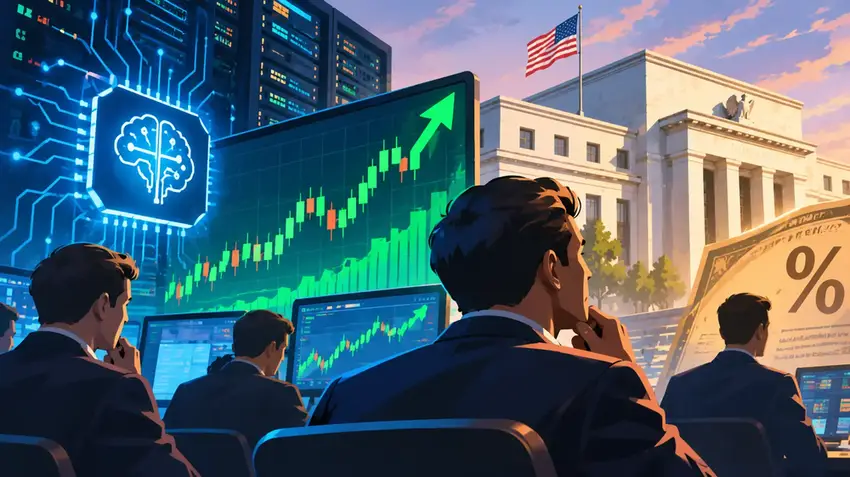
Further reading and standardsIf you checked your portfolio on Wednesday, you probably felt a little relief. After a shaky start to the week, the stock market today finally had a good day. Wall Street climbed as CoreWeave beat expectations and Apple hit a record high, pushing the Nasdaq up 1.60% and the S&P 500 up 1.31%. But the good news comes with a catch. Inflation is still running hot, and traders now see about an 89% chance of a Fed rate hike in December, with Treasury yields sitting just under 5%. So is this a real turnaround or just a pause? Here’s what moved markets, what it means for your money, and what to watch next.
Wall Street bounces back, but nobody is relaxing yet
After a rough day, Wall Street found its footing on Wednesday. Stocks rose across the board as an AI earnings report calmed nerves and Apple hit a fresh record. But if you look past the green numbers, the mood is still cautious. Inflation is running hot, the Federal Reserve looks set to raise interest rates again next month, and Treasury yields are sitting right around 5%. That's a lot for investors to juggle. Here's a plain-English look at what moved markets, why it matters for your money, and what to watch over the next few days.
S&P 500 and Nasdaq Climb While the Dow Edges Up
The numbers were solid. The Nasdaq Composite jumped 1.60% to close at 25,466.19, and the S&P 500 gained 1.31% to finish at 7,619.38. The Dow Jones Industrial Average rose a smaller 0.49% to 52,486.49, while the small-cap Russell 2000 added 0.88% to 2,846.26. Tech did most of the heavy lifting, which makes sense after Tuesday's selloff hit that corner of the market hardest. It's a good reminder of how fast things can change right now. In the space of a week, investors have seen huge swings in both directions, and it's why many advisers keep telling people to stay patient instead of reacting to every headline.
CoreWeave Beats Expectations and Apple Hits a Record
Two stories drove the rally. First, CoreWeave, the cloud company that rents computing power for AI, beat revenue expectations and raised its outlook. Its shares jumped about 21% in mid-morning trading, and the news lifted other AI infrastructure names too. That mattered because investors have been nervous about whether the huge spending on AI is going to slow down. Second, Apple closed in on a record high of about $355 a share, giving it a market value of roughly $5.16 trillion, and its stock is now up about 31% this year. When the biggest company in the market is hitting new highs, it tends to calm the whole room.
Nvidia Rebounds After a Brutal Two-Day Drop
Nvidia was the other big story. The chipmaker's shares bounced back after a two-day selloff that erased more than $430 billion of its market value, triggered by reports involving CEO Jensen Huang and an alleged Chinese spy. The recovery came with some caution from analysts. Baird downgraded the stock to Neutral and cut its price target to $200, and Morgan Stanley took Nvidia off its Top Pick list, though it kept an Overweight rating. In other words, the stock is recovering, but Wall Street isn't treating the matter as closed. Because Nvidia carries so much weight in the AI trade, any new development around the company could move the whole market again.
A December Fed Rate Hike Now Looks Almost Certain
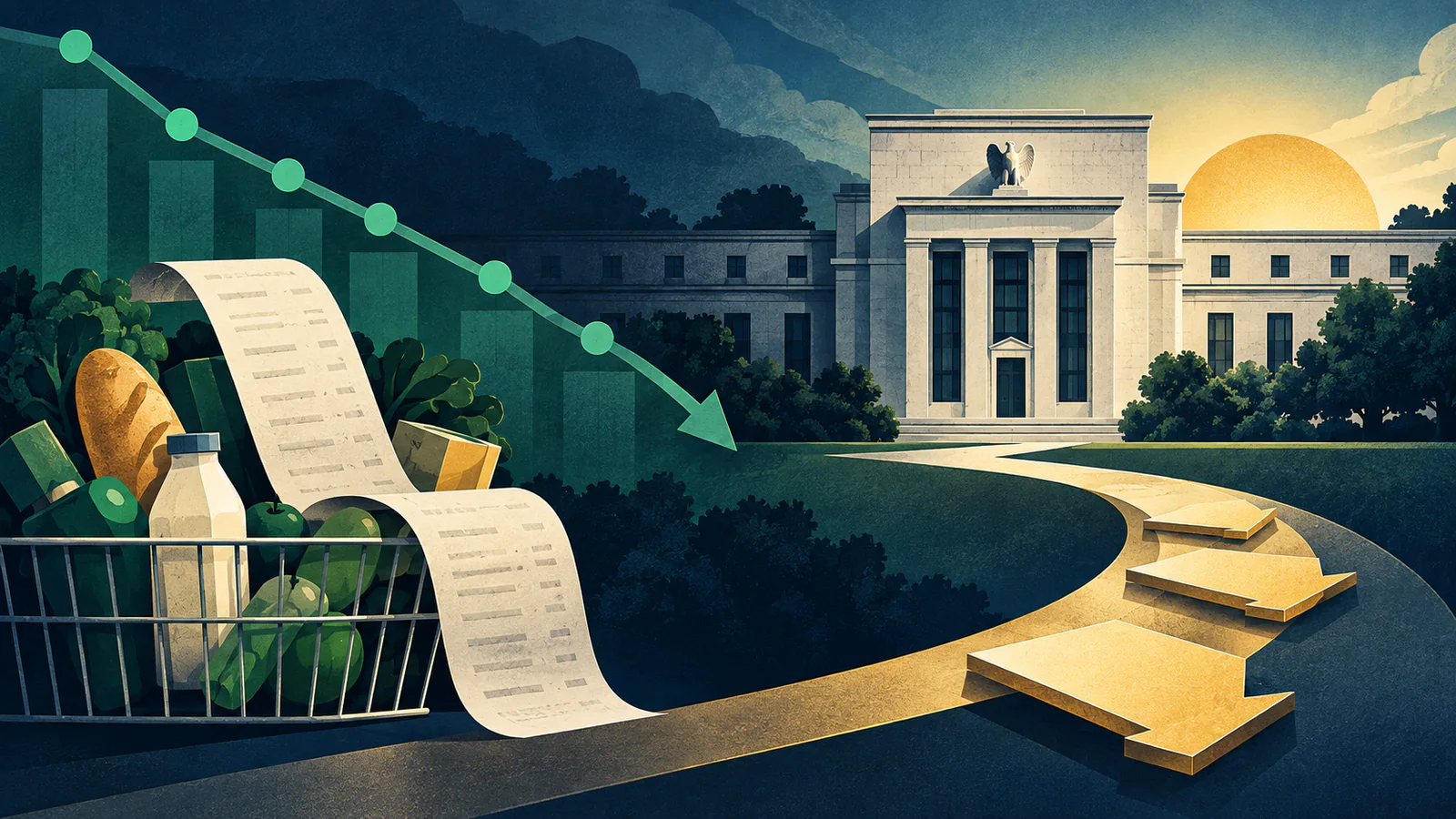
The bigger worry is the Federal Reserve. After Tuesday's hotter-than-expected inflation report, traders now put the odds of a quarter-point rate hike in December at about 89%, up from around 72% a week earlier, according to CME FedWatch. There's also an 11% chance of a larger half-point increase, and markets have basically stopped pricing in a hold. Fed officials are backing up the talk. Governor Christopher Waller said the Fed ought to hike in December, and Philadelphia Fed President Anna Paulson, a voting member, said she supports \"further gradual tightening.\" The Fed raised rates in September for the first time in three years and held steady in October, but that pause is starting to look like it may not last.
Treasury Yields Near 5%, a Stronger Dollar and Falling Gold
Higher rate expectations are showing up all over the bond market. The 10-year Treasury yield is sitting just under 5%, which pushes up borrowing costs for everything from business loans to mortgages. The last reading on the average 30-year mortgage rate was around 7.18%, a number that keeps many would-be buyers on the sidelines. The dollar also gained, and gold slid more than 2% to around $4,000 an ounce as higher yields made the metal less attractive. One more thing to know is that US bond markets were closed on Wednesday for Veterans Day, so some of the latest moves are from Tuesday's session. Bond trading picks up again on Thursday, with a 30-year Treasury auction on the schedule.
Oil Cools From Its Highs as Investors Watch Iran Headlines
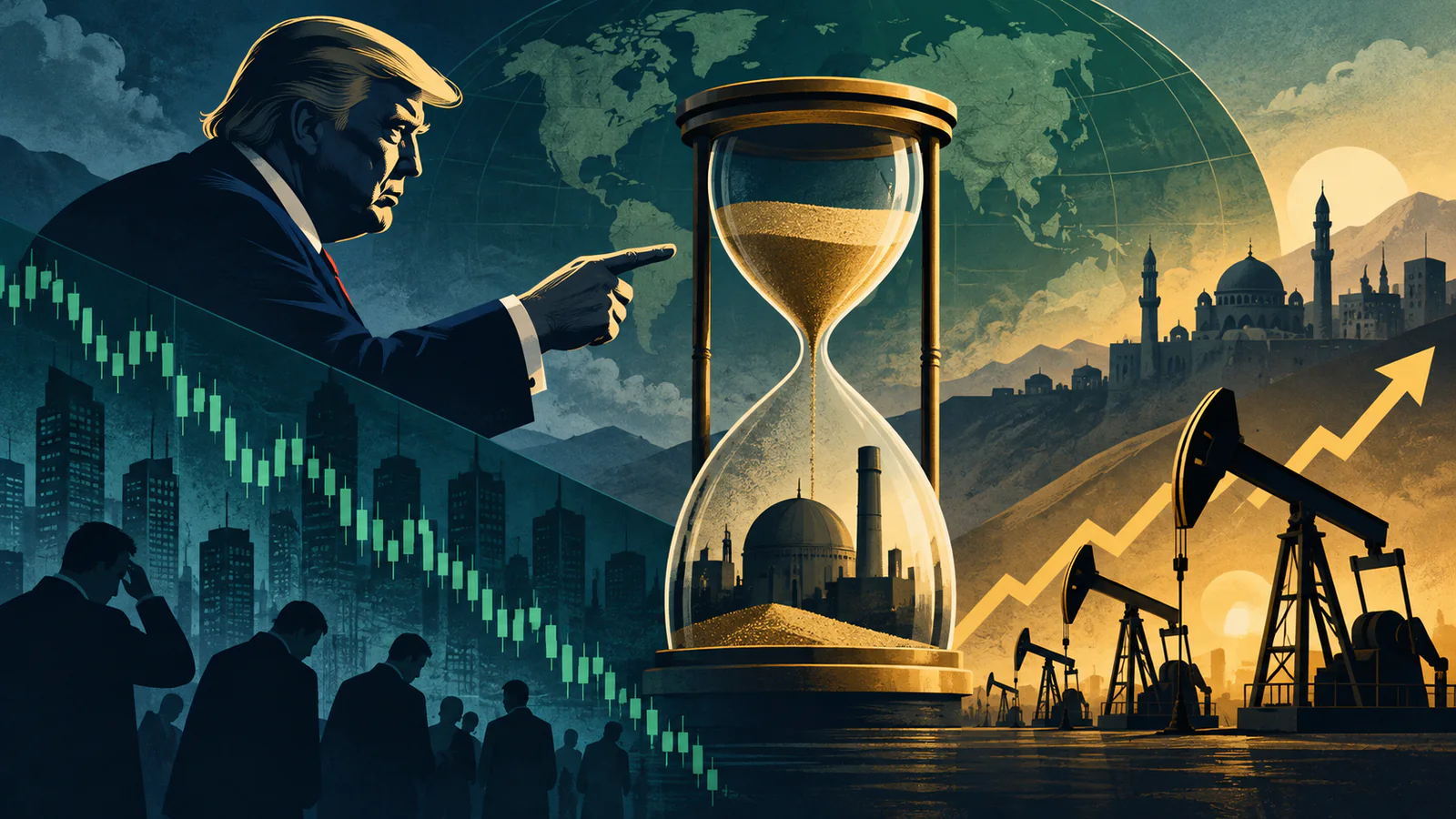
Energy prices have cooled a little. West Texas Intermediate crude was around $87 a barrel, down from above $100 before the midterm elections, while Brent traded near $92. Lower oil is good news for drivers and for inflation, but it's not a sure thing. Prices have been bouncing on headlines about the war with Iran and the on-again, off-again talks to end it. If diplomacy hits a wall, oil could jump again, and that would make the Fed's job harder.
What to Watch Next for Your Money
So what should you keep an eye on? First, Friday's producer price index (PPI), which will show whether inflation pressure is building further down the supply chain. Second, the Thursday Treasury auction, because weak demand could push yields even higher. Third, more comments from Fed officials, since any hint of a bigger hike would shake markets again. If you're an investor, the takeaway is the same as it has been all month. Expect more swings, think about diversification, and be careful about making big decisions based on a single day's move.
Further reading
Use these official collections to explore the subject and confirm time-sensitive figures against the dated record.