
What to know
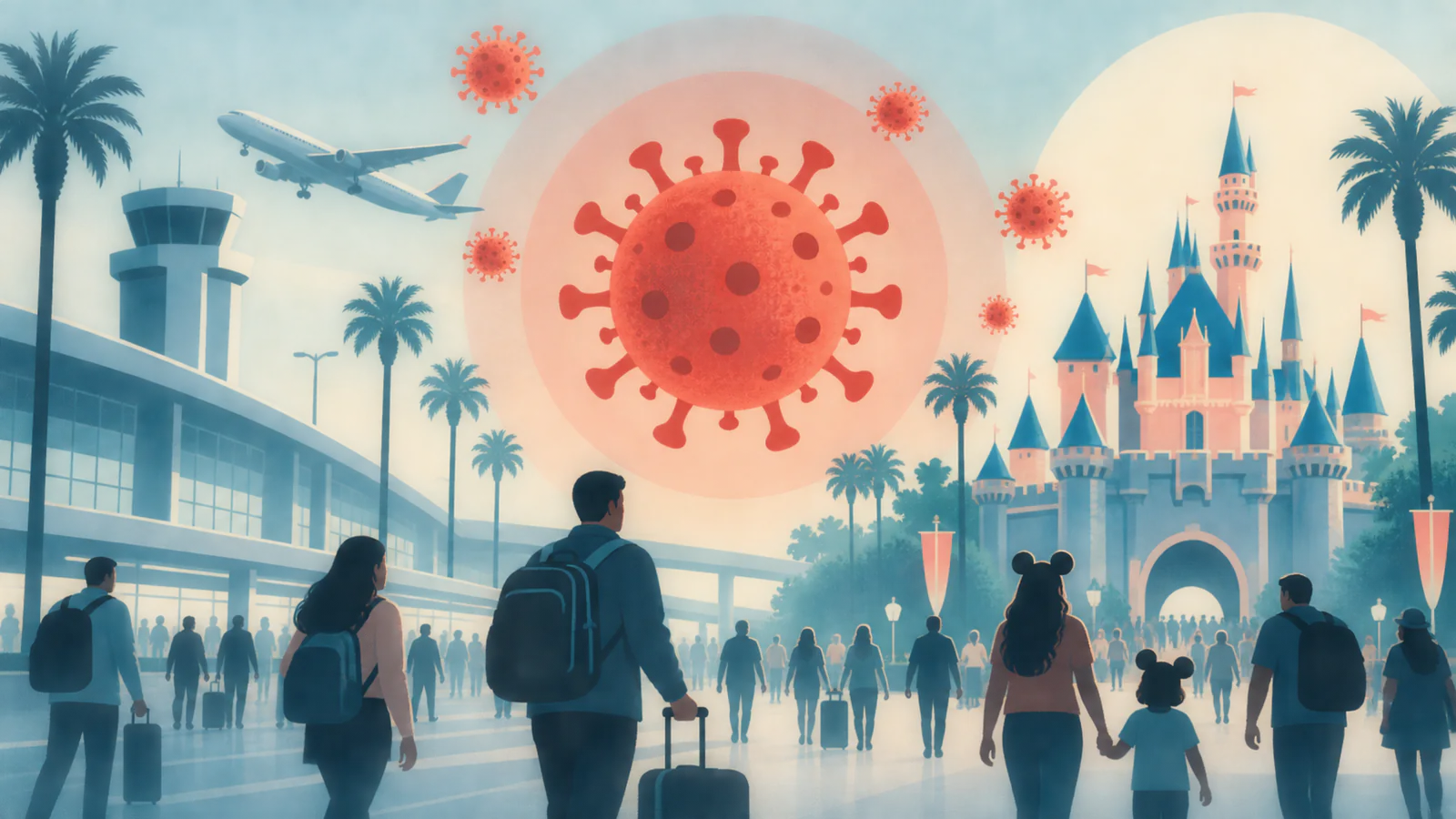
Public health authorities in Los Angeles and Orange counties declared high-priority exposure alerts after confirmed measles cases visited Los Angeles International Airport and Disneyland theme parks, urging unvaccinated residents to seek immediate immunization.
Further reading and standardsLOS ANGELES — Public health departments across Southern California have issued urgent, high-priority exposure advisories after confirming multiple new cases of highly contagious measles (rubeola) in international tourists and domestic residents. Health authorities confirmed that infected individuals visited densely populated public hubs, including the Tom Bradley International Terminal at Los Angeles International Airport (LAX) and Disneyland Park in Anaheim, prompting broad contact-tracing efforts across the Southland.
What Happened: High-Profile Exposure Timeline Across LA and Orange Counties
According to official releases from the Los Angeles County Department of Public Health and the Orange County Health Care Agency, the cases stem from unvaccinated travelers returning from international destinations experiencing active outbreaks:
The traveler who tested positive in Orange County arrived on an overseas flight at LAX before spending an entire day inside Disneyland theme parks while infectious. Simultaneously, Los Angeles health officers identified secondary exposure windows at commercial restaurants and retail establishments in Sherman Oaks and Universal City, potentially exposing thousands of patrons and employees.
Clinical Risks: The Extreme Airborne Contagion of Measles
Infectious disease specialists emphasize that measles is one of the most contagious biological pathogens known to medical science:
- Airborne Persistence: The measles virus can remain suspended in air and infectious on indoor surfaces for up to two hours after an infected individual has vacated the room.
- Reproductive Rate (R0): Measles has an extraordinary basic reproduction number between 12 and 18, meaning a single infected individual in an unimmunized community will transmit the virus to up to 18 other people.
- Severe Complications: While many recover, measles can cause severe complications, including acute pneumonia, pediatric encephalitis (brain swelling), and long-term immune amnesia, which wipes out antibodies against other common pathogens.
Immunity Gaps: Declining Vaccination Rates Threaten Herd Protection
Public health officers expressed deep concern regarding eroding vaccination coverage rates across school districts in California:
To prevent community transmission, epidemiologists calculate that at least 95% of the population must be fully immunized with two doses of the MMR (measles, mumps, rubella) vaccine. However, post-pandemic vaccine hesitancy and philosophical exemption loopholes have pushed kindergarten immunization rates below 92% in several Southern California private and public school clusters, creating dangerous pockets of vulnerability.
What to Watch Next: Quarantine Windows and Post-Exposure Prophylaxis
Health departments have outlined immediate protocol recommendations for individuals who were present at the exposure sites during the specified dates:
Unvaccinated individuals exposed within the past 72 hours are urged to receive the MMR vaccine as post-exposure prophylaxis, while high-risk infants and immunocompromised persons can receive immune globulin within six days. County epidemiologists are monitoring regional emergency rooms through the 21-day incubation window to detect any secondary waves of local transmission.
Further reading
Use these official collections to explore the subject and confirm time-sensitive figures against the dated record.