
What to know
The Senate confirmed Kevin Warsh as Federal Reserve chair by 54–45, with one senator not voting. Here is what the vote establishes and what to watch at the Fed.
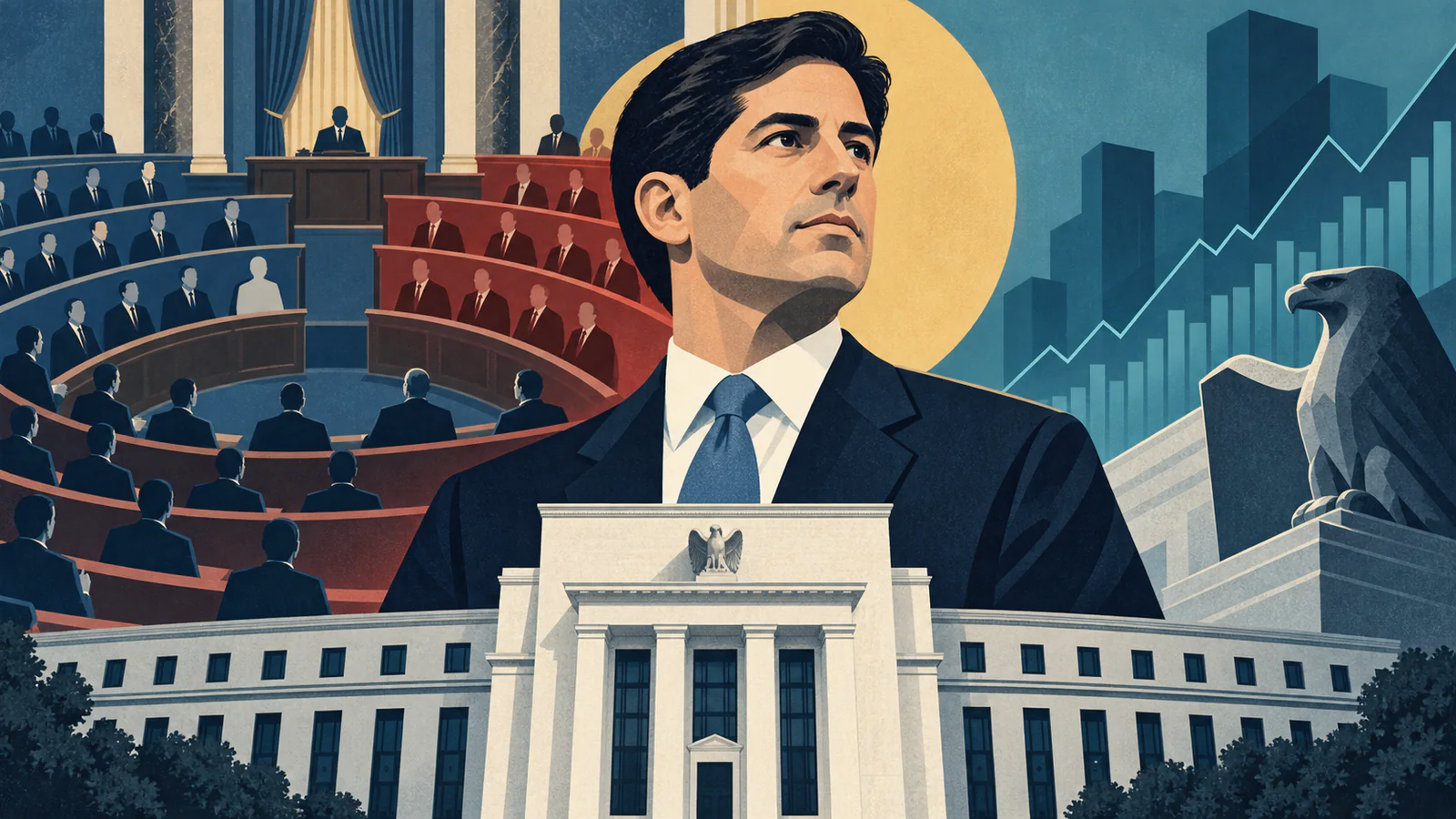
Further reading and standardsWASHINGTON — The Senate confirmed former Federal Reserve governor Kevin Warsh as chair of the Board of Governors on May 13, 2026. The official roll call was 54–45, with one senator not voting. The result was close, but it was not a strict party-line vote: Democratic Sen. John Fetterman of Pennsylvania joined Republicans in voting yes.
What the vote shows
The Senate's published record is the authoritative source for the result. It lists every senator's vote and corrects an earlier version of this article that described the tally as 52–48 and party-line. Warsh's nomination had previously been considered by the Senate Banking Committee, which published video and supporting material from its nomination hearing.
Warsh returns to an institution where he served as a governor from 2006 to 2011. A confirmation vote establishes who will lead the Board; it does not by itself determine the path of interest rates, inflation or employment. Those outcomes depend on incoming data and decisions made by the wider Federal Open Market Committee.
What the Fed chair controls—and what the chair does not
The chair sets the agenda, leads meetings, communicates policy and has unusual influence over the central bank's direction. But the chair has one vote on the FOMC. Other governors and voting regional-bank presidents also participate, so a change in leadership does not translate automatically into an immediate rate move.
That distinction is important when elected officials call for lower borrowing costs. The Federal Reserve is accountable to Congress but makes monetary-policy decisions independently. Warsh will need to build support within the committee while explaining how its choices serve the statutory goals of maximum employment and stable prices.
The policy questions facing the new chair
- Inflation: Officials must judge whether price pressures are moving sustainably toward the Fed's objective before easing policy.
- Employment: A weakening labor market could strengthen the case for lower rates even if some inflation remains.
- The balance sheet: The pace and composition of the Fed's securities holdings affect bank reserves and financial conditions.
- Bank supervision: The Board also helps shape regulatory policy, though major changes follow formal processes and involve other regulators.
What to watch next
The clearest early signals will come from Warsh's first policy statements, press conferences and votes. Readers should compare those communications with the FOMC's meeting statements, economic projections and minutes rather than infer a rate path from the confirmation vote alone. The Senate roll call and Banking Committee hearing linked below provide the primary record of the nomination process.
Further reading
Use these official collections to explore the subject and confirm time-sensitive figures against the dated record.