
What to know
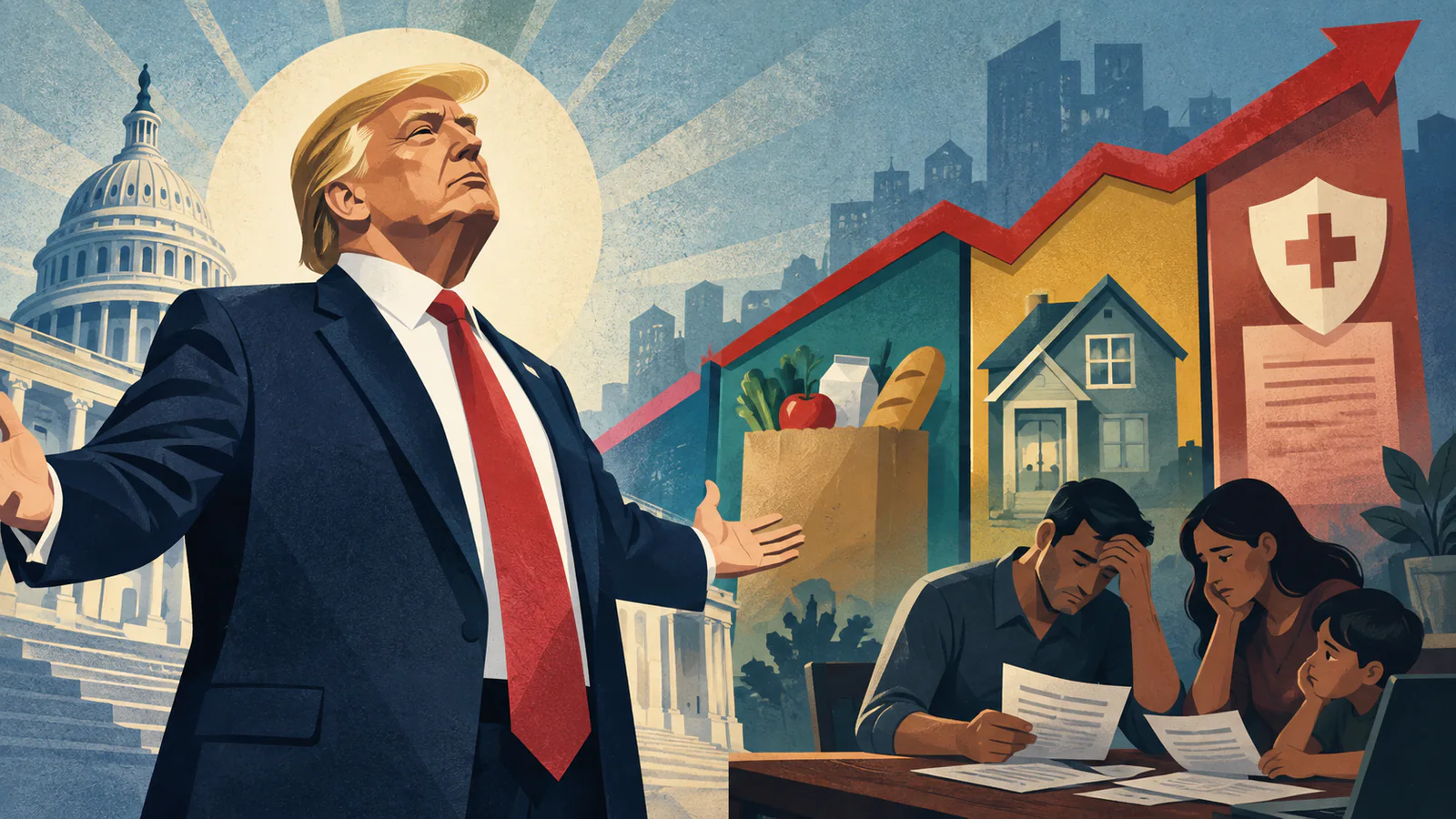
President Donald Trump declared that the nation's multi-year inflation crisis has been fully defeated by his economic policies, but mixed economic reports show that stubborn grocery bills, shelter costs, and auto insurance premiums continue to strain everyday American families.
Further reading and standardsWASHINGTON — Delivering an address before the Economic Club of Washington on Tuesday, President Donald Trump declared that the historic inflation crisis that has constrained household budgets for five years has been "fully and decisively defeated" by his administration's energy deregulation, trade enforcement, and federal spending controls. However, macroeconomic data published by the Bureau of Labor Statistics and independent economic analyses present a far more nuanced reality, showing that while durable goods prices have flatlined, working-class Americans continue to endure persistent cost pressure in essential living expenses including supermarket groceries, residential rent, childcare, and auto insurance.
What Happened: The White House Declares Total Victory Over Price Surges
Speaking to corporate executives and economic policy analysts, Trump pointed to headline Consumer Price Index (CPI) metrics that have descended from pandemic-era peaks near 9.1% down to a 2.7% annualized pace.
Trump credited his administration's pro-production energy directives — characterized by expedited federal drilling leases, pipeline permit approvals, and rolling back environmental compliance rules — with stabilizing domestic wholesale electricity and natural gas rates. The President asserted that expanding domestic industrial capacity and enforcing reciprocal import duties will permanently insulate domestic consumers from foreign price shocks.
"The inflation nightmare created by previous reckless policies is over," Trump proclaimed. "Gasoline prices are stabilizing, American manufacturing is surging back, and families are beginning to experience real wage growth again. We have broken the back of the inflation beast."
The Empirical Reality: What the Consumer Price Index Actually Reveals
While headline inflation rates have undeniably moderated, household pocketbooks tell a profoundly different story:
- Cumulative Price Escalation: Consumer prices overall are more than 23% higher than in 2020. Because disinflation merely slows the rate of future price growth without reversing past price hikes, families continue spending hundreds of dollars more each month for identical market baskets.
- Supermarket Grocery Squeeze: Grocery staples including beef, eggs, coffee, and dairy products remain elevated, with food-at-home price indices up 3.4% year-over-year.
- Service-Sector Stubbornness: Non-discretionary services inflation remains aggressive: automotive insurance premiums are up 16.8%, residential shelter costs continue rising at 4.2% annually, and out-of-pocket medical care expenses are climbing steadily.
Why It Matters: Economists Warn That Universal Tariffs Risk Rekindling Price Spikes
Mainstream economists across Wall Street and academia expressed deep skepticism regarding claims that inflation has been permanently eradicated:
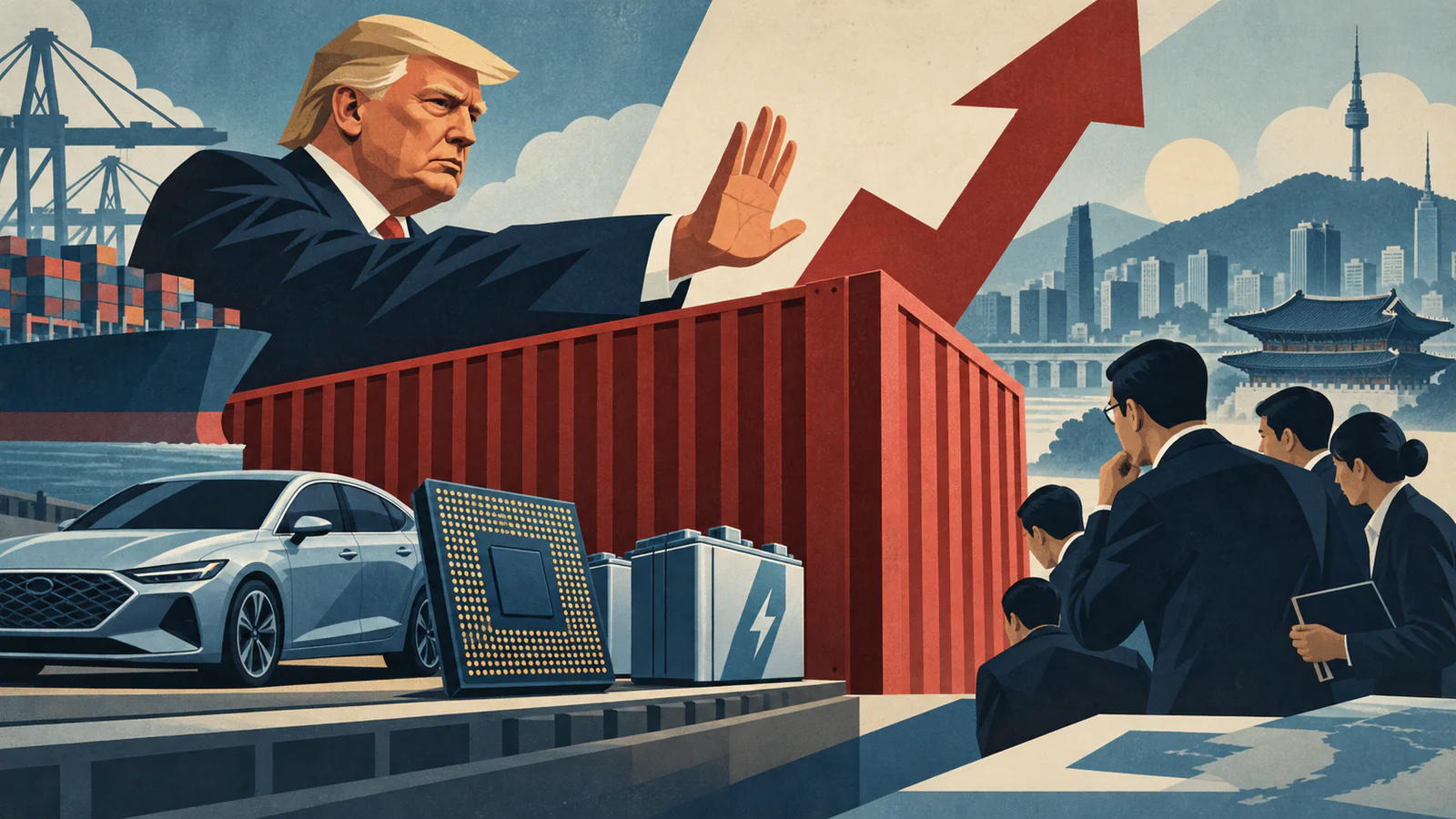
Non-partisan research institutions including the Peterson Institute for International Economics (PIIE) and the Tax Foundation noted that the administration's proposed universal 10% import duties and bilateral trade disputes with trading partners like South Korea and the EU represent significant upward cost shocks. When importers pay federal tariff levies, historical evidence demonstrates that those expenses are passed directly through to wholesale supply chains and retail cash registers.
What to Watch Next: The Federal Reserve's Verdict and Voter Sentiment
The divergence between political declarations and household grocery receipts is poised to become the central battleground of upcoming congressional midterm deliberations:
Federal Reserve policymakers have signaled that interest rates must stay in restrictive territory above 4.0% precisely because underlying services inflation remains uncomfortably high. Until core PCE inflation prints sustainably near 2.0% for consecutive quarters, consumer surveys show everyday Americans remain skeptical that the cost-of-living crisis is truly behind them.
Further reading
Use these official collections to explore the subject and confirm time-sensitive figures against the dated record.