
What to know
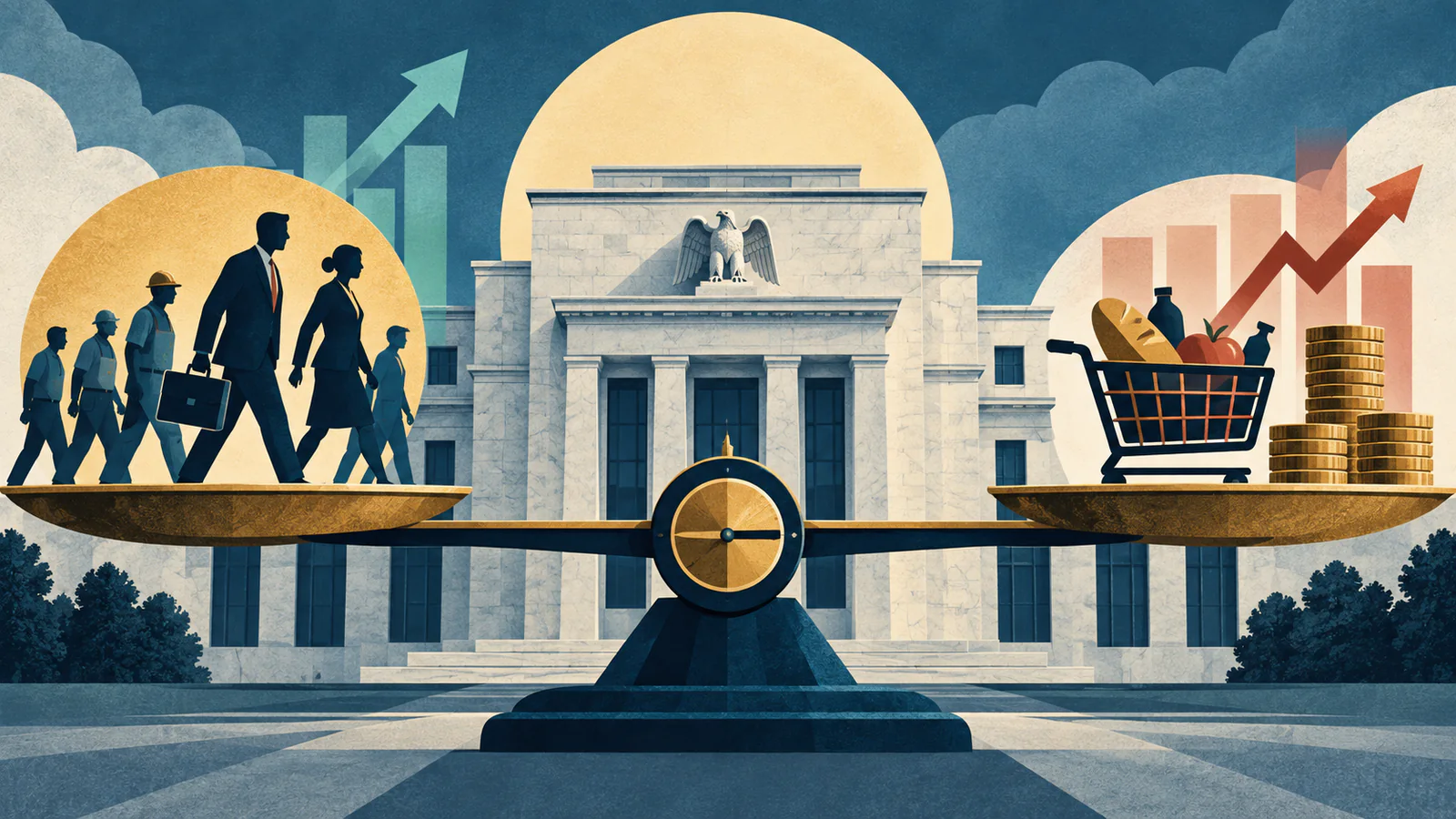
The Federal Reserve has kept its benchmark interest rate unchanged following robust job growth and persistent services inflation, with Chair Jerome Powell emphasizing that the central bank will remain patient before considering monetary easing.
Further reading and standardsWASHINGTON — The Federal Reserve voted unanimously on Wednesday to maintain its benchmark federal funds rate steady in the target range of 4.25% to 4.50%, pausing its monetary policy cycle as surprisingly robust non-farm payroll additions and strong consumer spending reinforced economic resilience while stubborn shelter and services inflation precluded immediate rate cuts. Following the two-day Federal Open Market Committee (FOMC) meeting, Fed Chair Jerome Powell emphasized that the central bank remains strictly data-dependent, balancing labor market vigor against the risk of reigniting price pressures.
What Happened: Resilient Payrolls Cement a Policy Hold
The decision to hold borrowing costs steady was heavily telegraphed by recent macroeconomic indicators showing that the U.S. economy continues to expand well above its long-term potential.
The latest Bureau of Labor Statistics employment report revealed the creation of 245,000 net new non-farm jobs, while the national unemployment rate held steady at a historically low 4.0%. With real gross domestic product growing at an annualized 2.8% pace, monetary policymakers concluded that the economy faces no immediate threat of recession, eliminating the urgent need for stimulative interest rate reductions.
"The economy has made substantial progress toward our dual mandate goals, but the inflation battle is not yet completed," Chair Powell told reporters during his post-meeting press conference. "A patient, restrictive monetary stance allows us to observe incoming data without prematurely declaring victory."
Inflation Stubbornness: Shelter, Insurance, and Energy Spikes
Behind the Fed's cautious stance lies persistent friction in the "last mile" of disinflation toward the 2% target:
- Core Services Inflation: Core Personal Consumption Expenditures (PCE) inflation remains sticky near 2.8%, driven by relentless price increases in residential rents, auto insurance, and healthcare services.
- Energy Price Volatility: Recent geopolitical flare-ups in the Persian Gulf have driven crude oil benchmarks higher, threatening to feed directly into headline consumer price indices over coming quarters.
- Wage Growth Dynamics: Average hourly earnings rose 3.8% year-over-year, outpacing productivity gains and maintaining pressure on service-sector payroll costs.
Why It Matters: Financial Markets Reprice Rate-Cut Timetables
Wall Street equity and fixed-income markets adjusted swiftly to the central bank's "higher for longer" policy signal:
The benchmark 10-year U.S. Treasury yield rose four basis points to 4.38%, while fed funds futures tracked by the CME FedWatch Tool slashed the probability of an upcoming rate cut to under 20%. Commercial mortgage lenders and corporate debt issuers are factoring in sustained borrowing costs, extending debt maturities and tightening credit underwriting standards for commercial real estate developers.
What to Watch Next: The Fed's Autumn Policy Path and Global Divergence
Monetary economists will scrutinize upcoming CPI releases and Jackson Hole symposium remarks for clues regarding the timing of the next policy adjustment:
With the European Central Bank and Bank of England already commencing gradual easing cycles, the Federal Reserve's prolonged pause reinforces the strength of the U.S. dollar, impacting emerging market currency stability and global trade flows.
Further reading
Use these official collections to explore the subject and confirm time-sensitive figures against the dated record.