
What to know
Some U.S. hotels are narrowing or repricing complimentary breakfast as food, labor and financing costs rise. Because policies vary by brand and property, the trend is better read as a margin response than the disappearance of a universal perk.
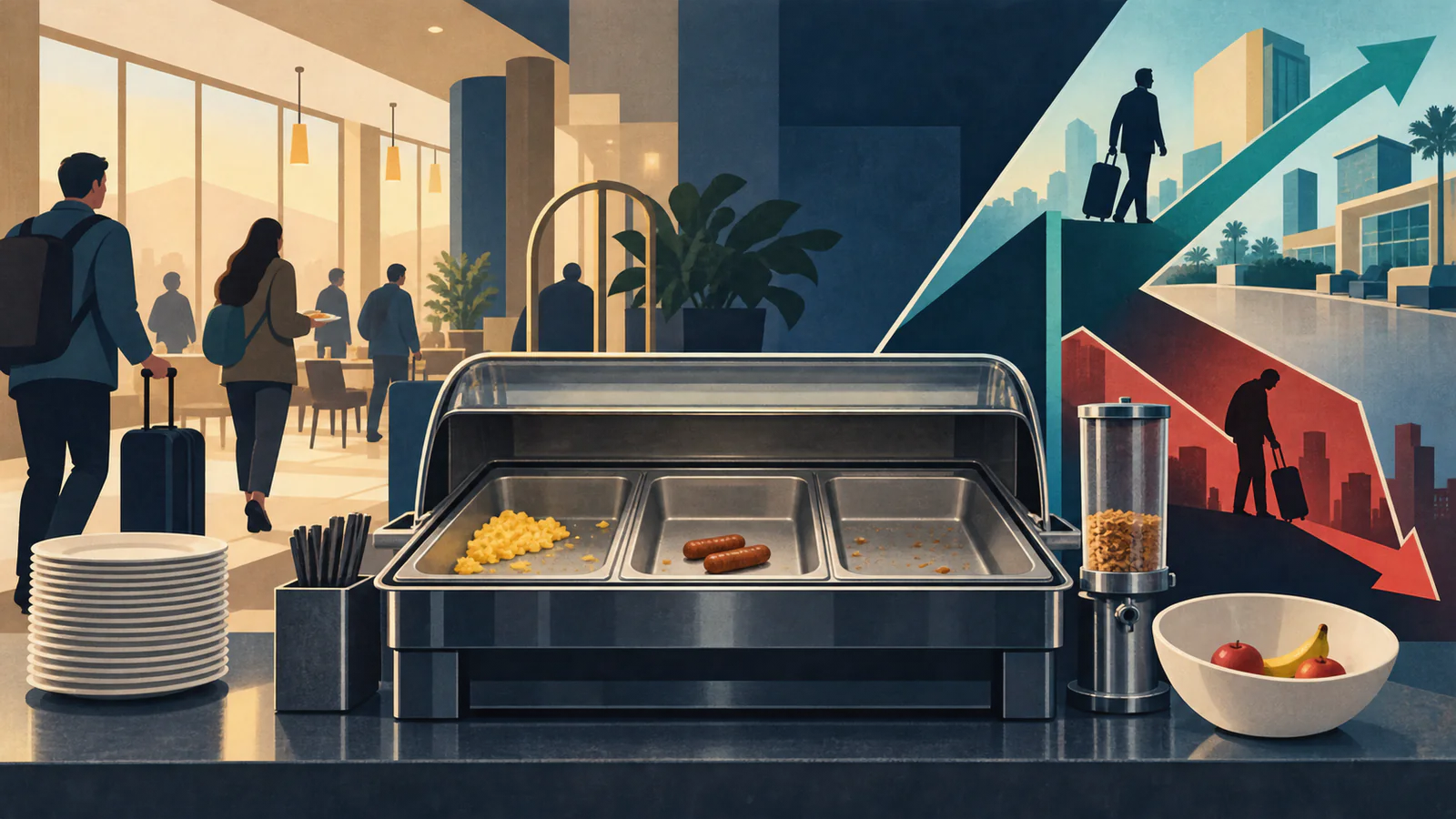
Further reading and standardsCHICAGO — The complimentary hot hotel breakfast — for half a century the defining hallmark of American middle-class travel and corporate road-warrior culture — is facing unprecedented structural retrenchment as hospitality operators confront a debilitating squeeze between food inflation, labor shortages, and a polarizing K-shaped consumer economy. From Hampton by Hilton and Holiday Inn Express to Hyatt Place and Marriott Fairfield, major hotel chains are quietly overhauling their morning food offerings, replacing cooked-to-order buffets with grab-and-go packaged items or testing supplemental surcharges to defend operating margins.
What Happened: The Economic Squeeze on the $4 Billion Breakfast Perk
Complimentary morning dining has long been the primary loyalty driver for select-service hotels across North America, representing an estimated $4.2 billion annual operational expenditure across the industry.
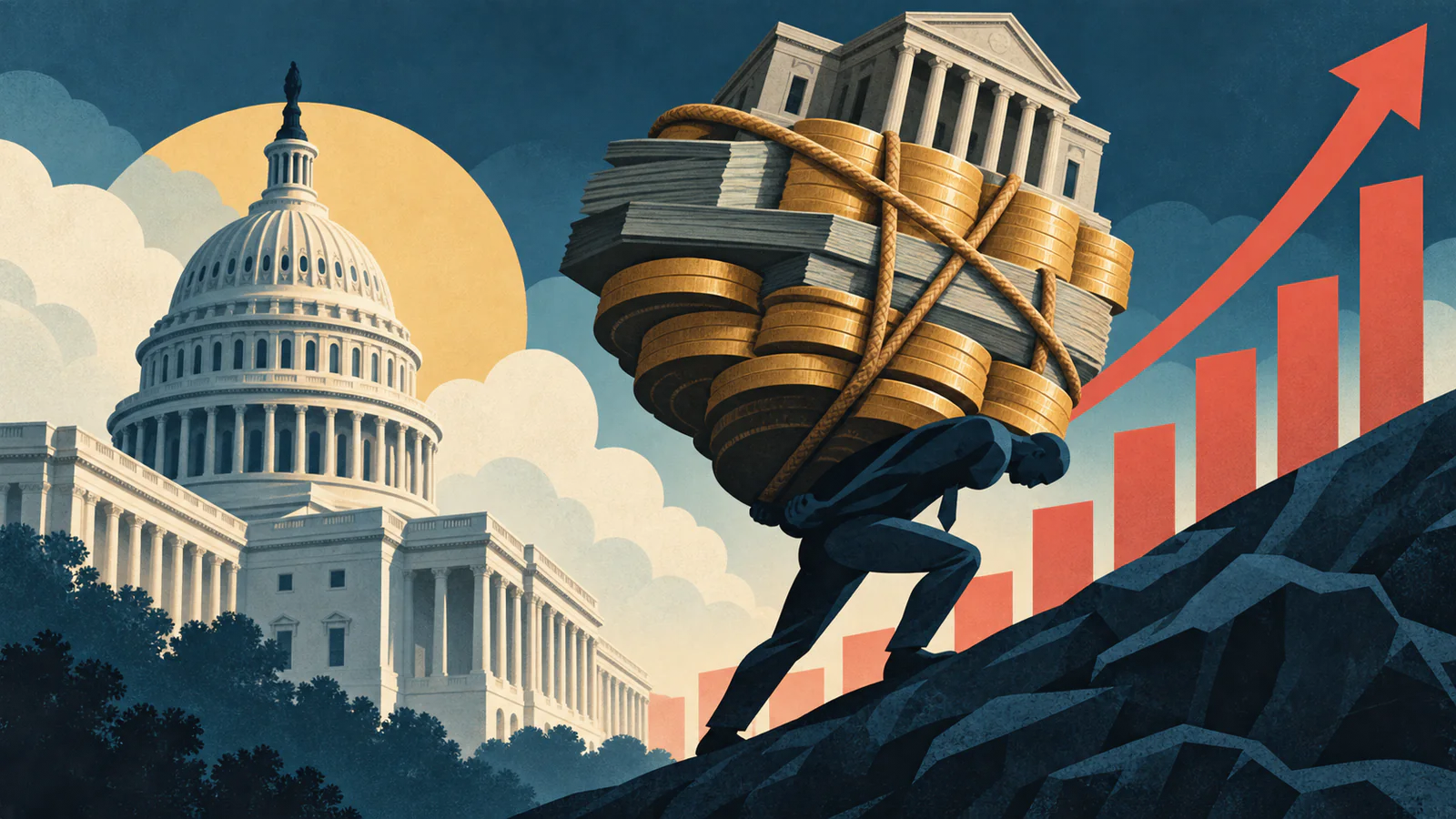
However, hospitality profit-and-loss statements reveal that the cost per occupied room for breakfast has surged over 44% since 2021. Cumulative wholesale price spikes for wholesale eggs, pork bacon, bakery staples, and dairy products — exacerbated by rising hourly wages for breakfast attendants and dishwashing staff — have transformed what was once a low-cost guest magnet into an untenable margin drain for independent franchisees.
Hotel economics help explain the change: franchisees facing higher food, labor, utility and financing costs can reduce portions, narrow menus or move breakfast charges outside the room rate. The effect varies by brand and property, so a change at one chain should not be treated as an industrywide rule.
The K-Shaped Divide: Luxury Resorts Flourish as Midscale Travelers Feel Squeezed
The retreat of the free buffet illustrates a wider macroeconomic phenomenon: the deep bifurcation of American consumer spending into a classic K-shaped trajectory:
- Upper-Tier Resilience: Affluent travelers patronizing luxury brands (Ritz-Carlton, Four Seasons, Park Hyatt) are spending freely on $45 artisanal brunches and specialty espresso bars, driving record food-and-beverage revenues.
- Middle-Class Budget Fatigue: Value-oriented leisure families and mid-market business travelers patronizing highway roadside inns are highly sensitive to nightly rate increases, leaving franchisees unable to pass wholesale food inflation onto room rates.
- Operational Downgrades: In response, hotel operators are transitioning from hot scrambled eggs and waffle bars toward pre-wrapped breakfast burritos, frozen breakfast sandwiches, and continental yogurt bars that require minimal labor.
Why It Matters: Franchise Battles Over Brand Standards and Guest Loyalty
The morning dining retrenchment has ignited fierce friction between corporate brand owners and independent franchise property holders:
Corporate headquarters like Hilton, Marriott, and IHG rely on uniform brand standards to defend corporate loyalty club memberships, demanding that franchisees maintain extensive hot breakfast spreads. However, regional hotel owner associations have petitioned corporate brands for greater flexibility, arguing that food waste accounts for nearly 25% of morning buffets as travelers discard excess portions.
What to Watch Next: The Rise of Tiered Dining and Micro-Markets
Hospitality consultants project that the future of hotel breakfast will increasingly mirror the airline industry's unbundled pricing model:
Major chains are piloting "tiered morning access," where elite loyalty tiers or premium room packages include complimentary hot dining, while base-rate guests receive a credit voucher for on-site 24/7 lobby micro-markets. As travel habits evolve, the iconic unlimited waffle iron may soon become a nostalgic relic of an era of cheap food and abundant labor.
Further reading
Use these official collections to explore the subject and confirm time-sensitive figures against the dated record.