
What to know
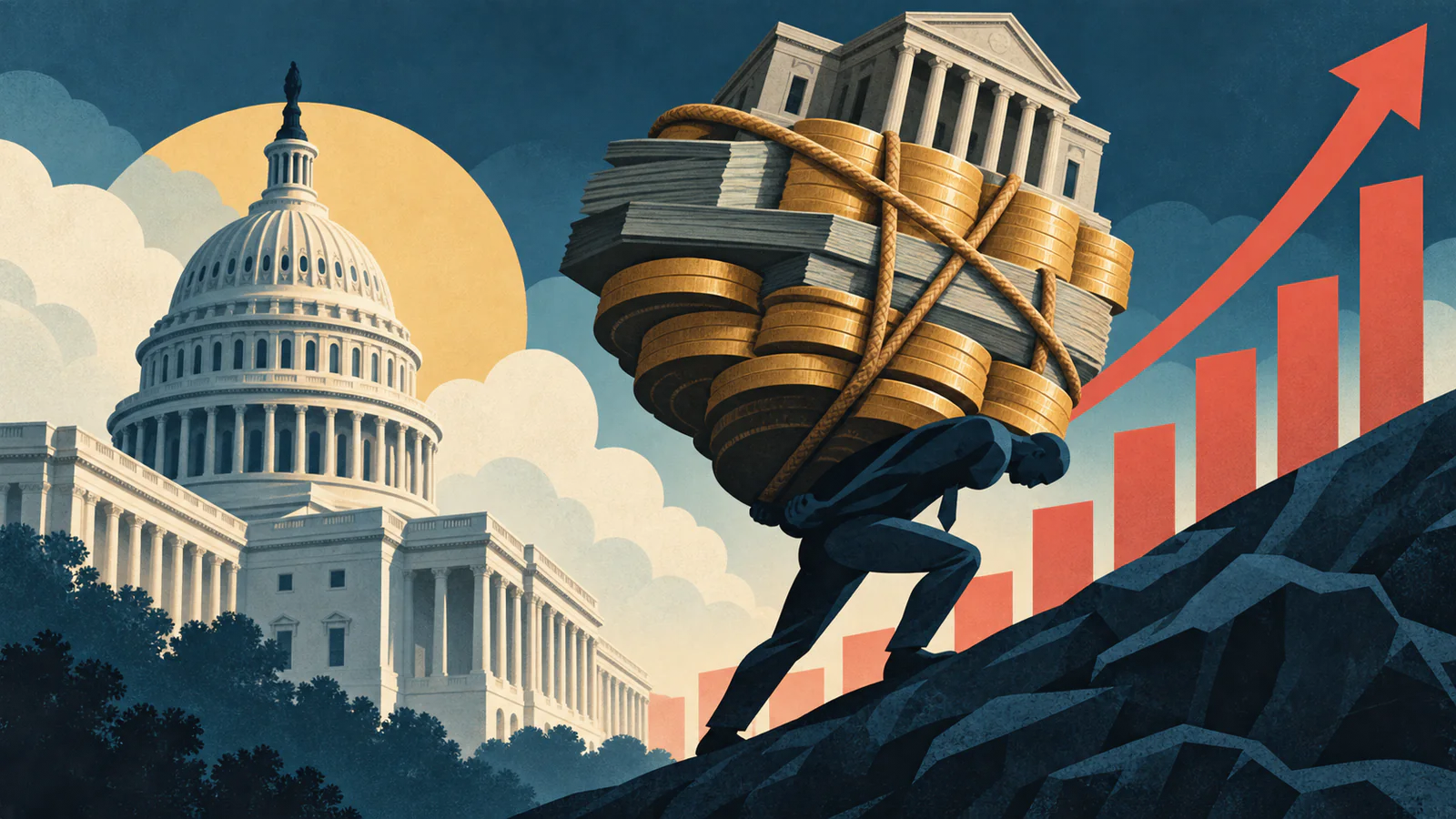
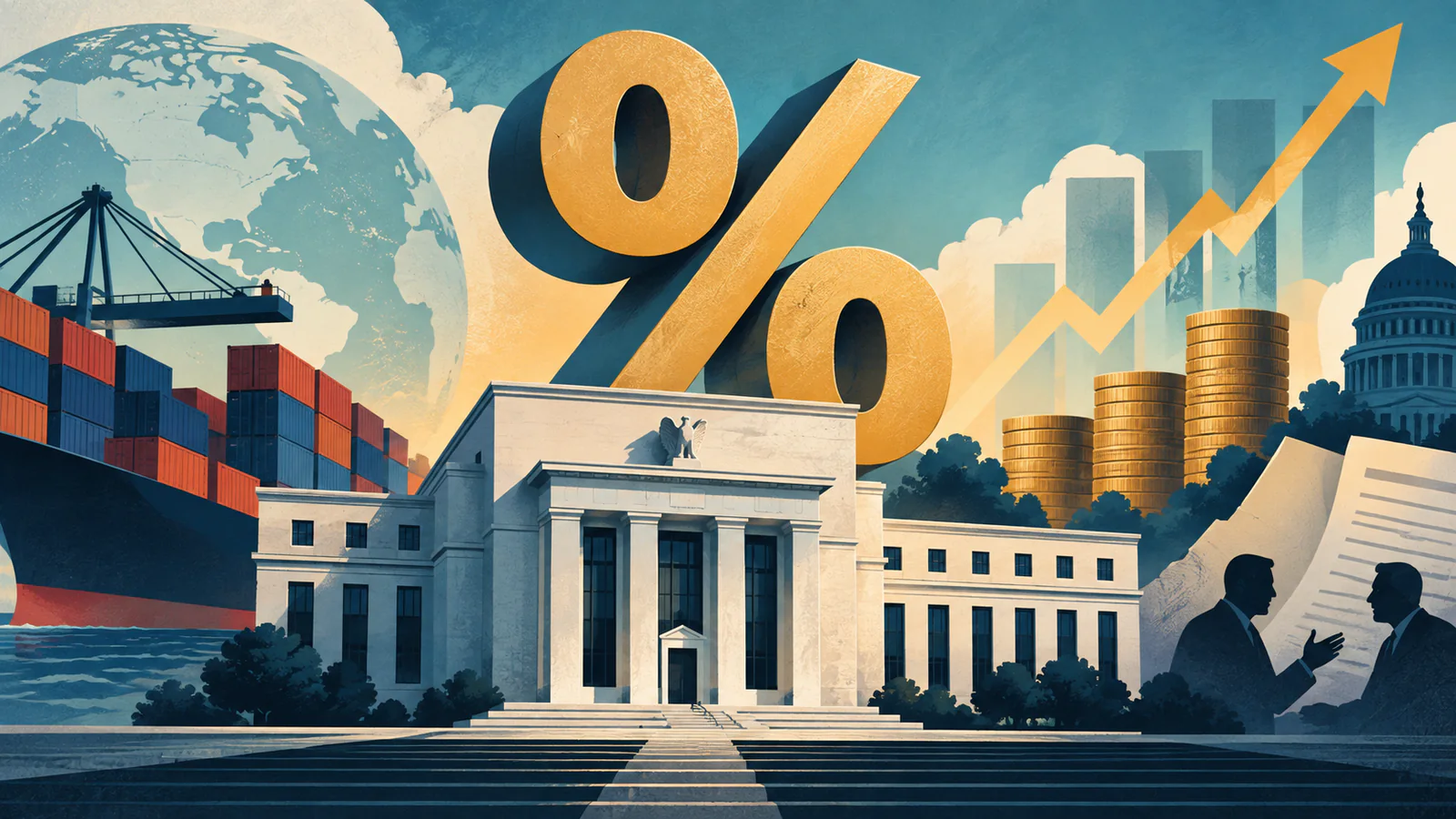
Leading Wall Street economists forecast that the Federal Reserve will maintain a restrictive interest rate stance throughout 2026, as resilient corporate earnings, potential trade tariffs, and ongoing fiscal borrowing counterbalance political calls for immediate rate reductions.
Further reading and standardsNEW YORK — As the American economy navigates a complex collision between resilient corporate earnings, escalating trade tariff proposals, and unprecedented presidential commentary on monetary decisions, leading Wall Street economists project that the Federal Reserve will maintain interest rates higher for longer throughout 2026. Despite vigorous calls from the White House urging benchmark rate reductions toward 3.0%, monetary policy strategists at Goldman Sachs, JPMorgan Chase, and BlackRock caution that potential new import tariffs and massive fiscal deficits could inject fresh inflationary impulses, severely limiting the central bank's room to maneuver.
The 2026 Economic Dilemma: Robust Growth Meets Fiscal Stimulus
The consensus macroeconomic forecast for 2026 depicts an American economy refusing to conform to traditional late-cycle recession models.
Spurred by unprecedented corporate capital expenditure in artificial intelligence infrastructure, semiconductor manufacturing onshoring, and sustained consumer spending among high-earning households, U.S. gross domestic product is projected to expand by a solid 2.4% this year. However, this underlying vitality has prevented inflation from completing its descent to the Fed's 2.0% target, with headline and core consumer price measures stabilizing in a stubborn 2.7% to 3.1% corridor.
The policy tradeoff is straightforward: cutting rates can support employment and credit demand, but easing before inflation is under control can prolong price pressure. The appropriate path depends on subsequent inflation, labor-market and growth data rather than on a single forecast.
The Tariff Factor: How Trade Policies Impact Interest Rate Forecasts
The primary wild card altering the Fed's interest rate trajectory is the administration's expansive trade agenda:
- Universal Tariff Proposals: Proposed 10% universal baseline tariffs on global imports and up to 60% duties on targeted Asian goods are projected to add 0.5% to 1.1% to headline U.S. inflation within twelve months of enactment.
- Supply Chain Friction: Retailers and industrial manufacturers are front-loading inventory imports, driving freight and warehousing rates higher and creating temporary upward pricing spikes.
- Retaliatory Tariffs on Agriculture: Counter-tariffs imposed by major trading partners threaten American agricultural exports, creating regional economic disparities that complicate uniform national monetary policy.
Why It Matters: Presidential Jawboning vs. Institutional Credibility
President Donald Trump's public assertions that the president should have an informal or consultative voice on FOMC interest rate deliberations have introduced acute institutional friction to financial markets:
While market participants welcome pro-growth policies such as corporate tax preservation and regulatory deregulation, sovereign bond markets demand an independent central bank to anchor long-term debt yields. Bond vigilantes have signaled that any legislative attempt to curtail Fed autonomy would lead to an immediate surge in 30-year mortgage rates and Treasury yields, negating the benefit of nominal fed funds cuts.
What to Watch Next: Projections for Mortgages, Equities, and Fixed Income
For American consumers and institutional asset allocators, the 2026 economic environment dictates a disciplined financial playbook:
- Mortgage Rates: 30-year fixed conforming mortgage rates are anticipated to fluctuate between 6.2% and 6.8%, maintaining housing market affordability headwinds.
- Cash and Money Market Yields: High-yield savings accounts and money market funds will continue offering attractive yields above 4.2%, rewarding patient savers.
- Equity Market Valuation Multiples: Corporate earnings growth, rather than Fed rate-cut multiple expansion, must carry equity market performance through the second half of the decade.
Further reading
Use these official collections to explore the subject and confirm time-sensitive figures against the dated record.